
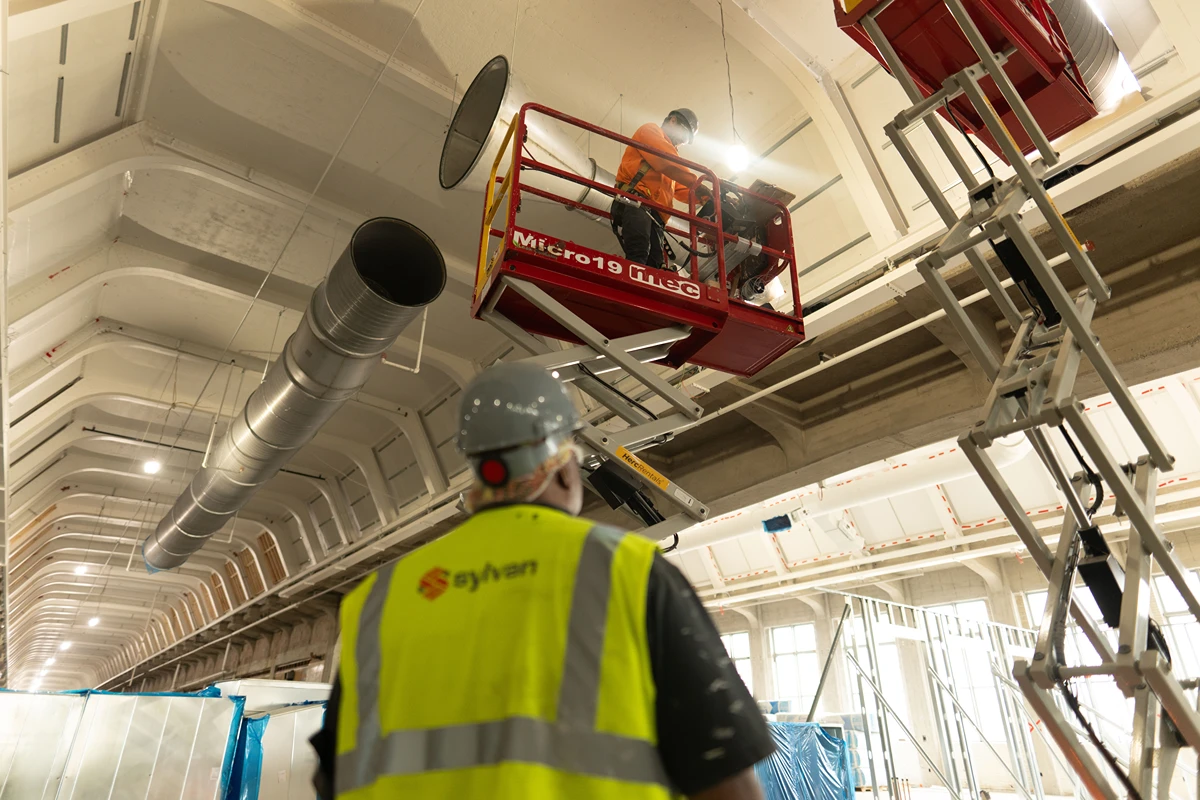
Why SMACNA HVAC Duct Construction Standards Matter to Facility Performance
Walk through enough mechanical rooms and you start to see the same pattern: the equipment is specified correctly, the controls are dialed in, and the system still does not perform to design. More often than not, the explanation traces back to the ductwork–fabricated to the wrong pressure class, inadequately sealed at the joints, or supported in ways that allow deflection and leakage to accumulate over time. These are the signatures of duct systems built without following SMACNA standards.
SMACNA—the Sheet Metal and Air Conditioning Contractors’ National Association—publishes the technical standards that govern how duct systems are designed, fabricated, installed, and tested. HVAC engineers, sheet metal contractors, and facility operators managing complex commercial or industrial environments rely on these standards as the governing framework for duct construction quality. Understanding what SMACNA HVAC duct construction standards cover and why they matter is also valuable for any owner or facility leader who wants to understand whether their HVAC systems are performing the way they were designed to.
What SMACNA Standards Actually Cover
SMACNA standards address every aspect of duct construction, including material selection, pressure classifications, reinforcement requirements, joint and sealing specifications, fabrication tolerances, and testing procedures. The most commonly referenced publication is the SMACNA HVAC Duct Construction Standards manual, which provides detailed requirements for rectangular, round, and flat oval duct systems across a range of pressure classes.
Pressure classifications divide ductwork into low-pressure ducts operating up to two inches water gauge, medium-pressure ducts from two to six inches water gauge, and high-pressure ducts from six to ten inches water gauge. Each classification specifies the material thickness, reinforcement methods, and sealing requirements needed to maintain system integrity.
The guidance also governs material selection. Common duct materials include galvanized steel, aluminum, and stainless steel. The selection depends on the system’s intended use, environmental factors, and the required durability. The standards specify the minimum thickness and protective coatings required for different applications to ensure longevity and performance.
Joint construction and sealing requirements define how duct sections connect and how those connections are sealed to prevent air leakage. SMACNA outlines various joint types, including slip joints, drive cleats, and flanged connections, each requiring specific sealing methods such as gaskets, sealants, or mechanical fasteners. SMACNA hvac duct leakage testing standards provide the framework for verifying air tightness.
Reinforcement and support requirements ensure that duct systems don’t sag, vibrate, or fail structurally over time. Standards specify reinforcement spacing, gauge thickness, and the use of stiffening elements for ducts of different sizes and pressure classes. Support hangers and brackets must meet load-bearing requirements to ensure safe and stable installations.
The depth and specificity of these requirements are why engineers, fabricators, and inspectors treat SMACNA’s HVAC duct construction standards as the primary reference for duct construction. Most project specifications are either built directly on SMACNA requirements or use them as the baseline framework.
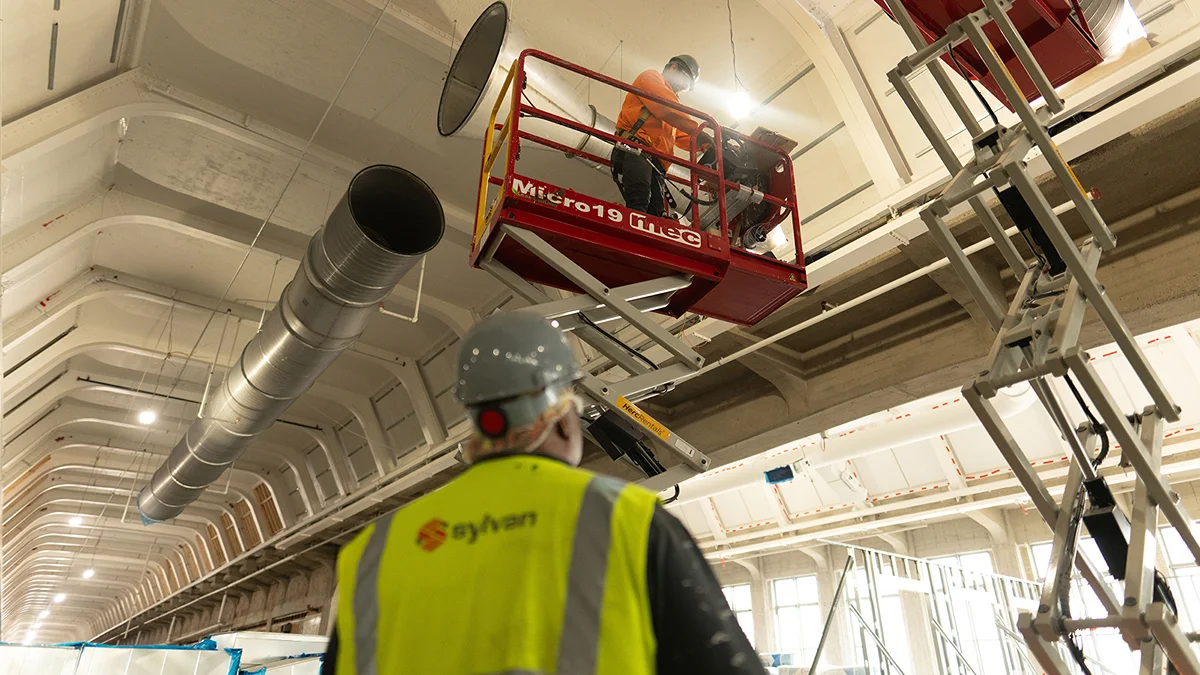
Why Compliance Matters for Facility Performance
SMACNA ductwork standards compliance aligns with best practices for optimal HVAC system performance. Properly fabricated and installed ductwork minimizes pressure losses, prevents air leaks, and maintains indoor air quality. When ductwork is built to spec, the system delivers the airflow the engineer designed for: when it isn’t, energy costs rise, comfort and air quality decline, and equipment wears out faster.
Duct leakage is one of the most common and consequential performance problems in HVAC systems. Even small gaps at joints, seams, or penetrations allow conditioned air to escape into unconditioned spaces, such as attics and mechanical rooms, where it delivers no benefit to the building. The HVAC equipment works harder to compensate, causing energy consumption to rise and the mechanical systems that depend on proper airflow operate outside their design parameters. Over time, that stress shortens equipment life.
Selecting the wrong materials can make matters even worse. In industrial environments, ducts may be exposed to moisture, chemical vapors, or elevated temperatures that standard galvanized steel can’t handle long-term. A duct system fabricated from the wrong material for its environment will deteriorate in ways that are expensive to remediate, particularly when the ductwork is embedded in ceilings or walls that require significant disruption to access.
These standards exist because the failure modes behind them are well understood, decades of field experience and technical refinement are built into SMACNA’s HVAC duct construction standards, which is why following them consistently is the most reliable path to durable, efficient duct performance.
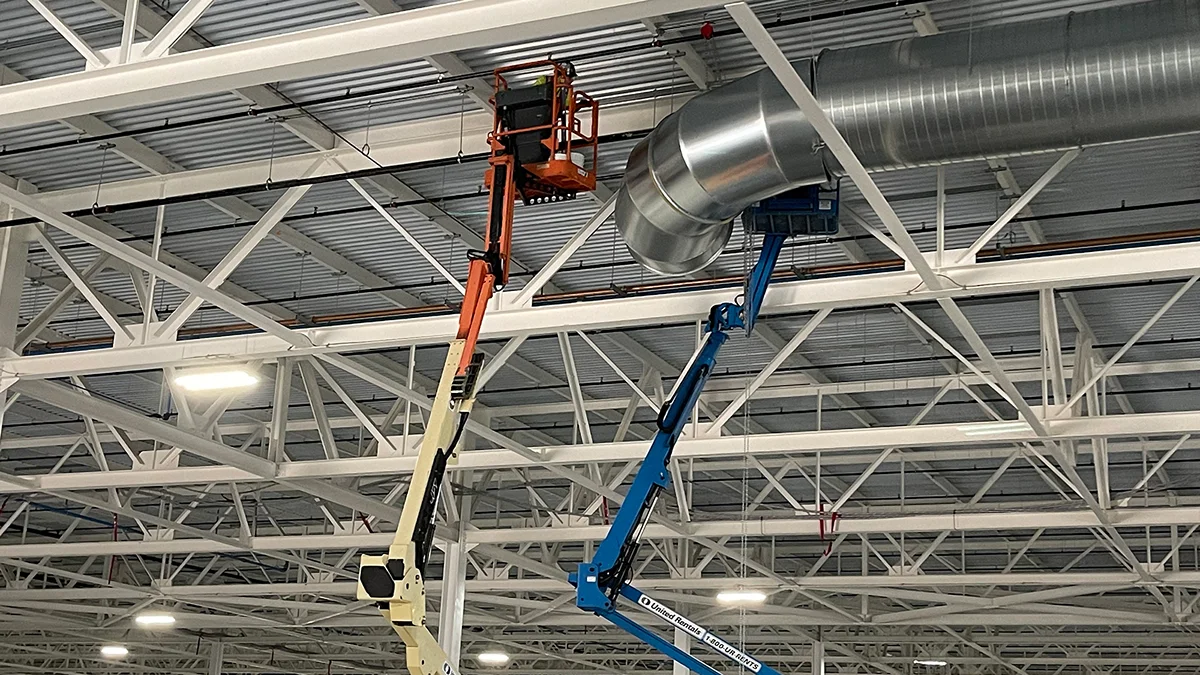
Where Compliance Issues Appear in the Field
The most common source of SMACNA compliance gaps traces back to design documents that haven’t fully accounted for duct construction requirements. Architectural drawings don’t always translate SMACNA’s fabrication and installation specifications with full precision, since engineers and architects are working from a different lens than fabricators do. That creates ambiguity for the construction team, and under schedule pressure, ambiguity is often resolved by the fastest or less expensive option rather than the most compliant one.
This is why the expertise of the fabrication team is so important. Detailers who understand SMACNA standards for sheet metal contractors can identify discrepancies between design intent and construction requirements before fabrication begins, rather than after installation is complete. Rework on a shop drawing is far less expensive and disruptive than rework on ductwork that’s already been installed.
Sylvan’s detailing team works directly from SMACNA HVAC duct construction standards when developing fabrication drawings, ensuring that what gets built in the shop matches what the system requires, in terms of gauge, reinforcement, joint construction, and sealing. The team also maintains access to the current SMACNA standards library, ensuring that compliance is based on current requirements rather than outdated versions of the specifications.
The apprenticeship and training foundation behind Sylvan’s sheet metal workforce reinforces standard knowledge at the craft level. Multiple Sylvan employees out of our Dearborn office teach at the Sheet Metal Workers Local 80 apprenticeship school in Metro Detroit, where SMACNA-compliant fabrication and installation practices are part of the core curriculum. That connection between formal apprenticeship training and field execution means the standards are applied consistently through fabrication and installation.
SMACNA Duct Pressure Testing and Leakage Verification
SMACNA duct pressure testing is the process that confirms a completed duct system performs within its specified leakage limits. Testing involves pressurizing a duct section to its design pressure class and measuring airflow loss against the allowable leakage rate defined by the standard.
Pressure testing makes performance verification objective. A duct system that looks properly installed can still leak at joints or seams that were inadequately sealed. Testing finds those failures before the system is commissioned and before remediation requires disturbing finished ceilings or walls. Projects that specify SMACNA leakage testing as a contract requirement produce measurably better outcomes because the testing creates accountability at every stage of fabrication and installation.
In commercial and industrial environments where system performance is tied directly to duct integrity, testing is critical to closing the loop between design intent, fabrication quality, and installed performance.
What Owners and Facility Leaders Should Look For
You don’t need to be an expert in SMACNA HVAC duct construction standards to evaluate an HVAC or sheet metal contractor’s knowledge. You just need to ask some practical questions.
The most important question is whether the contractor is following current SMACNA practices. Some contractors may say they’re in compliance, but they’re following a version of the standards from a decade ago, or an approximation based on past habits. SMACNA updates its publications regularly, and a contractor operating on outdated standards may not be aware of changes that affect material specifications, reinforcement requirements, or testing procedures.
A proven track record of projects without post-construction performance issues is one of the clearest indicators that a contractor is delivering true compliance rather than just claiming it. Duct systems that required remediation after installation, or that consistently underperform against design specifications, reflect fabrication or installation practices that standards compliance would have prevented.
Contractors who employ detailers with direct SMACNA expertise and can demonstrate that expertise through the quality of their shop drawings and fabrication documentation are operating at a different level than those who treat standards as a reference to consult when problems arise.
Sylvan’s sheet metal fabrication and HVAC service capabilities are built on this foundation. Connect with our team to learn how standards-driven fabrication and installation practices translate into better system performance and lower long-term cost.