
The electrical power systems used in industrial processes are complex, multifaceted, and expansive. Understanding these systems is integral to the success of any industrial facility: they literally power the entire operation. Whether a refinery plant, automotive manufacturer, food processing facility, or any other industrial space, a well-designed and properly installed electrical system protects uptime, operational reliability, and safety.
This guide will break down the fundamentals of industrial electric systems, the importance of these systems as long-term investments, and how partnering with a professional like Sylvan can help prevent system issues and failures.
Key takeaways:
- The components of industrial electrical systems and how they work together to power and support operations
- A look at the industrial electrical installation process and how it differs from commercial electrical systems
- Regulations and precautions to ensure safety and compliance
- Considerations for upgrading systems
What is an industrial electric system?
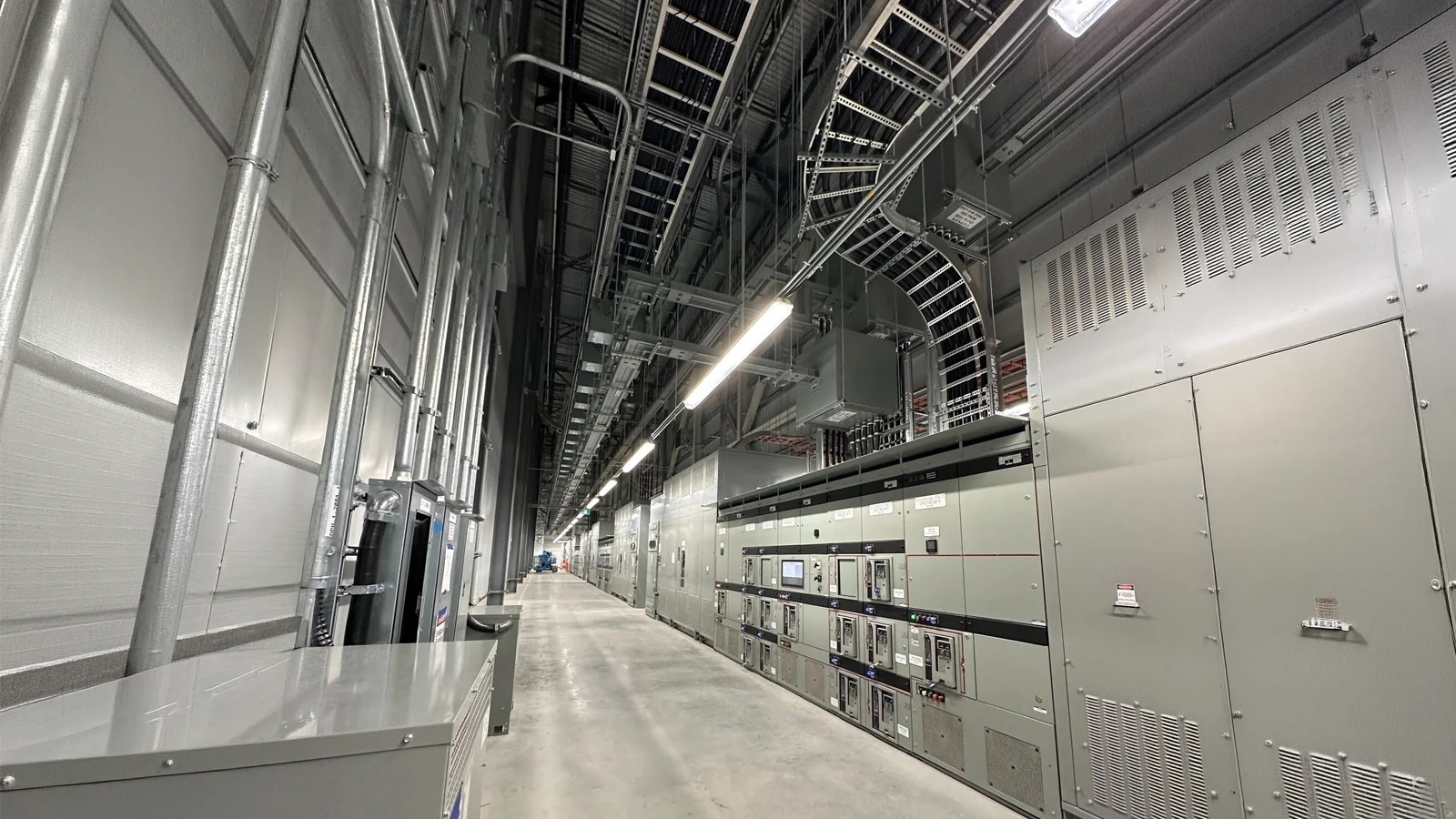
Industrial electric systems provide power for lighting, motor controls, building automations, safety systems, and distributed power throughout an industrial space. These systems bring electricity in from external power lines and break down that high voltage into more manageable levels in substations. Once the electricity is inside the facility, large panels split and subdivide to distribute power through heavy-duty conduits to the necessary components.
In a large industrial facility, it’s common to have multiple panels, each dedicated to its own purpose. General-purpose power fuels things like outlets for vacuums and computers, while plant power fuels components like welding machinery or cover systems. In addition, lighting, intercom systems, and fire alarms also require dedicated space in an industrial electric system.
Industrial electrical installation process
Main switchgear: The central point where electricity enters your facility, allowing for control and protection of the entire system.
Power distribution units/distribution boards: These boards divide the electrical feed into smaller, manageable circuits, each protected by its own circuit breaker.
Electrical cabling: The arteries of the system, carrying power to all parts of the facility. This includes heavy-duty armoured cables for main feeds and various grades of wiring for different applications.
Cable containment systems: Including trunking, conduit, and trays, these systems protect the cables from damage and organise them neatly throughout the facility.
Transformers: Used to step up or step down voltage as required for different machinery, ensuring each piece of equipment receives the correct power supply.
Circuit breakers and fuses: Essential safety devices that automatically cut off the power supply in the event of a fault or overload.
Industrial vs. commercial electrical systems
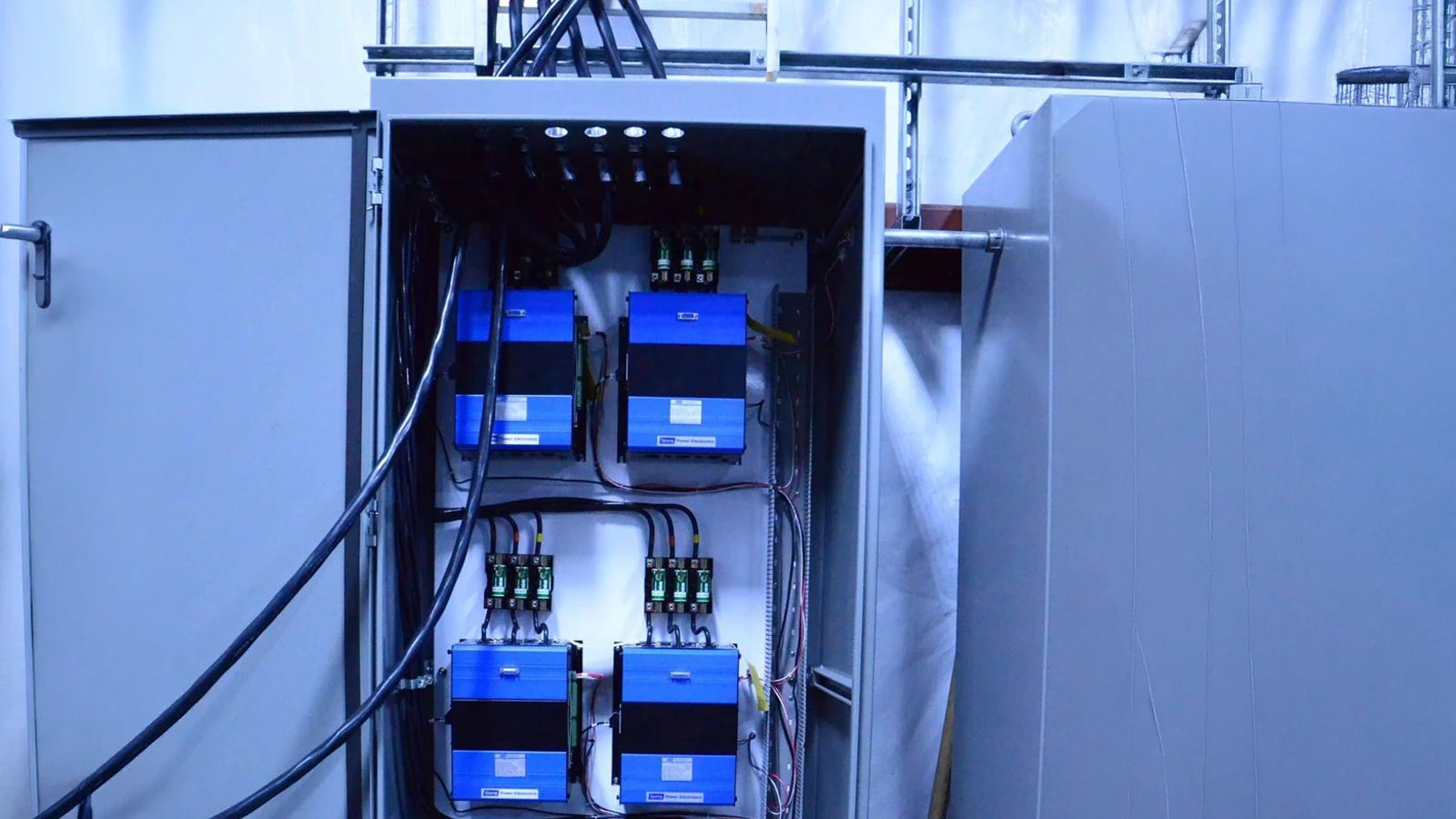
The main difference between industrial and commercial electrical systems is the electrical load they can support. Both systems are used in expansive facilities, but industrial electric systems can safely distribute and manage higher voltages that are often necessary for industrial operations. For example, a refinery plant requires multiple types of pumps and compressors, plus advanced machinery to extract certain elements from the raw material it is processing. All of those components require power levels that a standard industrial system can support.
In addition to power load, industrial electrical systems also require stronger materials than commercial systems. Industrial electrical systems use conduits, usually made of steel, while commercial systems can utilize thin tubing for distribution. The differences in these materials affect the costs and timelines for industrial and commercial electrical projects.
Industrial electrical system installation and repair require more expensive materials and more technical expertise in labor. A commercial electrical system can be installed more quickly than an industrial electrical system because it’s not as complex and it requires fewer highly-trained employees to do the work. At Sylvan, we handle both commercial and industrial electrical systems and can help you determine what will work best for your needs.
Safety considerations
Properly designed, installed, and maintained electrical systems are imperative for overall facility safety. Various regulatory bodies provide guidance on electrical systems, and all industrial and commercial buildings are subject to minimum safety standards set by the Occupational Safety and Health Administration.
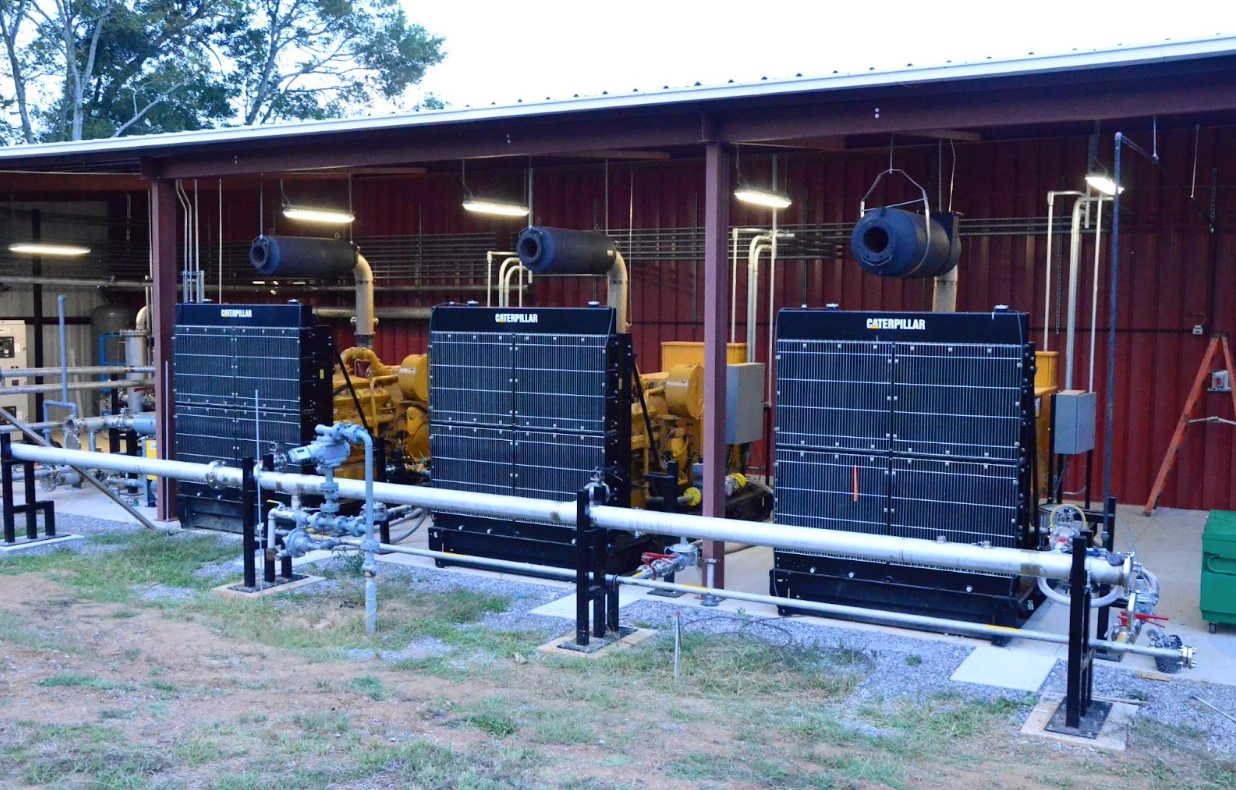
Fires and explosions are of particular concern for electrical systems. If transformers aren’t converting voltage correctly, or if circuit breakers aren’t functioning as they should, your facility is at risk for dangerous conditions. The National Fire Protection Association (NFPA) issues the National Electrical Code as a benchmark for the safe electrical design, installation, and inspection to protect people and property from electrical hazards. Its guidelines require fire and smoke detection devices, emergency alert systems, and more, and they are enforced in every state. Meeting NFPA standards ensures not only that your facility remains as safe as it can be, but it also keeps your insurance policy active should an electrical-related event occur.
Routine electrical maintenance from trusted service providers like Sylvan helps identify potential issues and track the various standards that apply to your industry and facility.
Benefits of maintenance and upgrades
Creating an electrical maintenance plan helps ensure the components of your system remain in proper working order and also provides reminders for regular testing of systems like fire and smoke detection. When facility operators pay close attention to the quality and performance of electrical systems, they can help increase uptime and avoid dangerous and costly issues.
When multiple components of an industrial electrical system begin to have issues, it’s likely time to consider upgrading your system. Partnering with a provider like Sylvan not only provides the peace of mind that the current issues will be resolved, but also a trusted expert to advise on the most effective next steps for your specific needs.
While installing a new industrial electrical system is a large financial and time commitment, the benefits of an optimized, safe, and reliable system far outweigh the risks of operating one with weak spots and inefficiencies. New systems are more energy efficient, allow for expanded networks to accommodate growth, and quite literally, keep your business moving.
If you need a new industrial electric system, or just a component replaced, reach out to Sylvan today.