
A properly functioning HVAC system keeps your business productive and reduces downtime. In commercial settings, it keeps your business running, improves air quality, boosts energy efficiency (and your bottom line), and ultimately impacts employee and customer happiness.
If your HVAC maintenance strategy is based only on reacting to issues, you may be setting yourself up for increased downtime, costs, and more serious problems in the long run. A proactive HVAC preventative maintenance strategy can help you avoid unexpected expenses and extend the life of your systems.
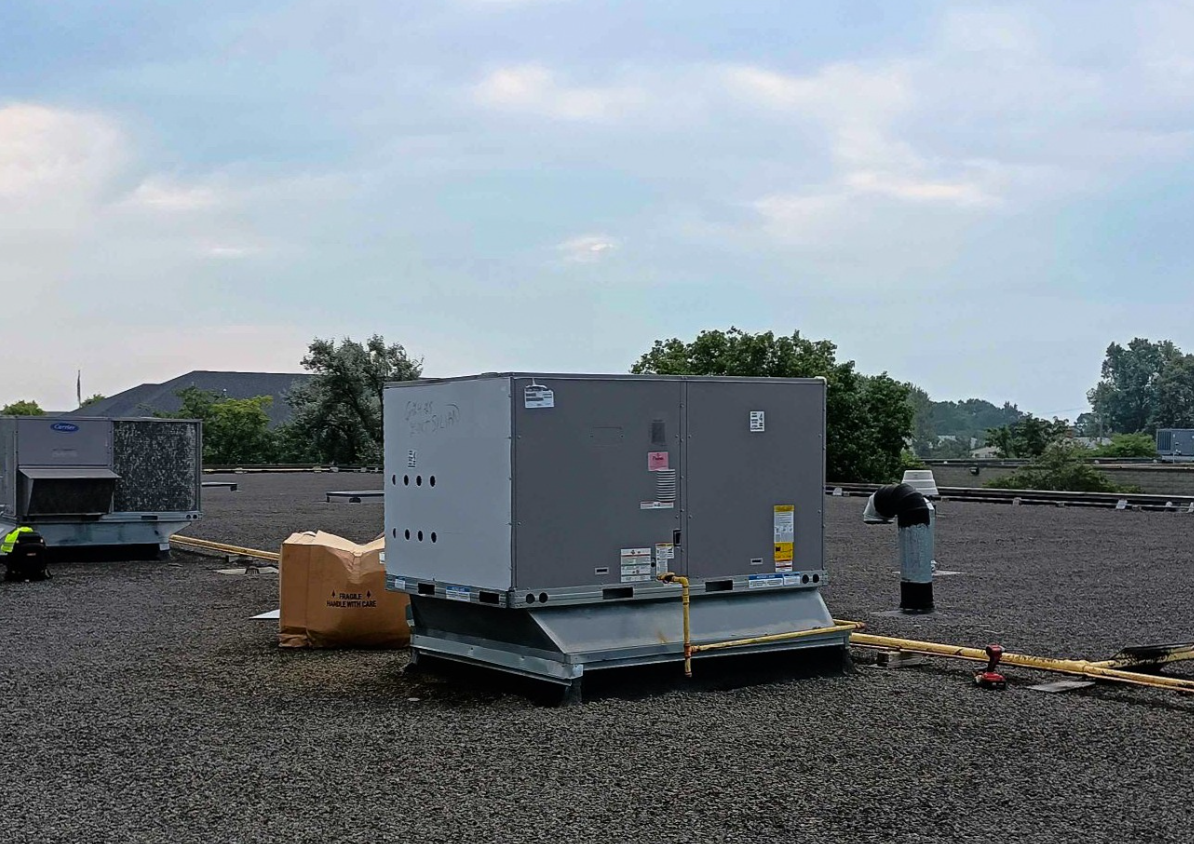
Routine maintenance of HVAC systems – from coil and filter care to the electrical systems – is imperative to performance and can prevent a worst case-scenario: a total outage. Knowing what needs evaluation when, and who you can trust to do the work, can be overwhelming. This guide breaks down the benefits of preventative maintenance, the key aspects of an effective maintenance strategy, and the value of partnering with an industry leader like Sylvan.
Key Takeaways:
- Importance of HVAC preventative maintenance to support energy, efficacy, asset longevity, and operational predictability in your facilities
- The components of a comprehensive maintenance strategy including seasonal inspections, coil and filter care, system cleaning, refrigerant management, and equipment performance checks
- Ways commercial HVAC preventative maintenance helps reduce unplanned downtime, excessive costs, and headaches
- How to build a comprehensive HVAC maintenance program that works best for your facility and team
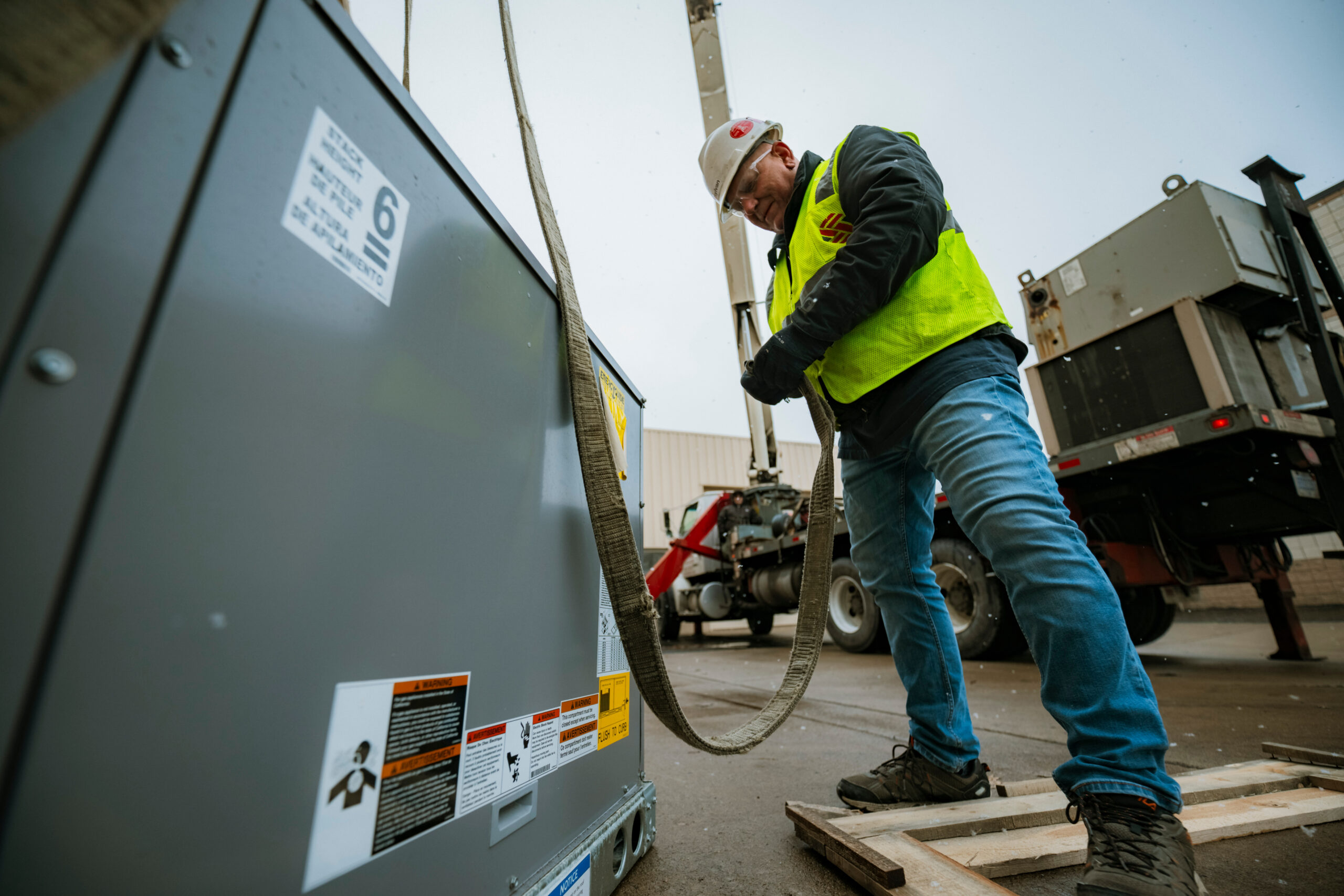
What does HVAC preventative maintenance include?
Commercial HVAC systems are complex, and maintaining them means giving attention to all the individual parts that keep them functioning. The main components of an HVAC system are heating, air conditioning, and ventilation. For facilities that handle or store food products or data, there are often additional components like refrigeration and cooling systems to consider.
Preventative maintenance of the systems includes inspections, cleaning, and servicing before issues arise. There is no one-size-fits-all approach to HVAC preventative maintenance, and every facility has unique operational demands, equipment lifecycles, and budget considerations. Keeping up with a regular maintenance schedule helps to prevent things like debris build-up on air filters, backed up drains or pipes that can lead to water damage, and faulty thermostats and sensors that drive up costs. The most effective maintenance plans are customized to the specific needs of your facility, balancing performance, risk mitigation, and budget priorities.
Other components include:
- Air filter cleaning and replacement
- Ductwork inspection
- Coil cleaning
- Checking refrigerant levels and electrical connections
- Mechanical inspection of belts, fans, and motors
- Calibrating sensors and controls
- Drain line and pan cleaning and monitoring
Having a certified, trained technician to oversee the inspections, cleaning, and any necessary repairs is just as important as the maintenance itself. Sylvan offers comprehensive preventative HVAC maintenance plans that deliver the safest, most efficient, and effective service possible tailored to each customer’s facility, equipment mix, and operating environment.
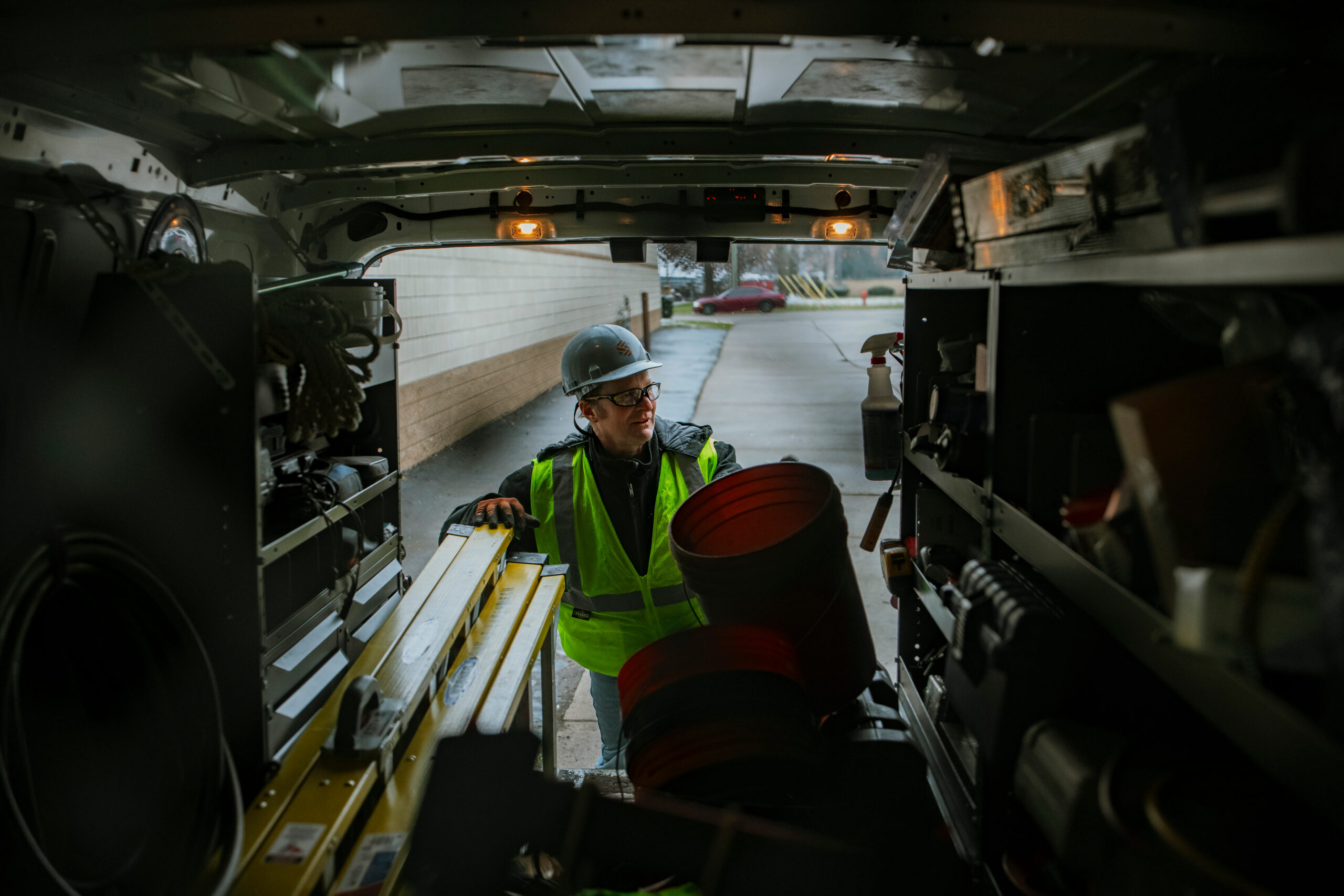
Benefits of HVAC Preventative Maintenance
If even a portion of an HVAC system fails, there can be implications for every part of your business. While minor issues may be an easy fix, larger issues with HVAC systems can lead to days or weeks of system downtime, plus the price tag of thousands to hundreds of thousands of dollars in repairs. If your HVAC system is routinely inspected, you can prevent costly issues from arising.
Cost Savings
Replacing an entire heating or cooling system is a massive investment. Repairing a few parts that are on their last legs? Usually, a much smaller bill to foot. To keep track of the age and performance of these intricate systems and prevent an emergency outage, you need a comprehensive maintenance plan in place. Properly functioning systems are also more energy efficient, which saves costs on your monthly utility bills.
Improved Air Quality and Comfort
Keeping your filters and coils clean means cleaner, more efficient airflow for your building. When air (whether cooled or heated) is moving as it should, temperatures remain consistent and comfortable for your employees and guests. Changing out filters and cleaning ventilation systems also increases the air quality in your space, meaning fewer allergens and pollutants to breathe in.
Extends Equipment Life
Preventative maintenance of the HVAC components keeps them performing at their peak. Regular inspection helps to maximize the life of the components by identifying weaknesses early and replacing them when necessary. Additionally, many HVAC system warranties are only valid if their components are regularly maintained, so skipping out on inspections could void coverage when things are mission-critical.
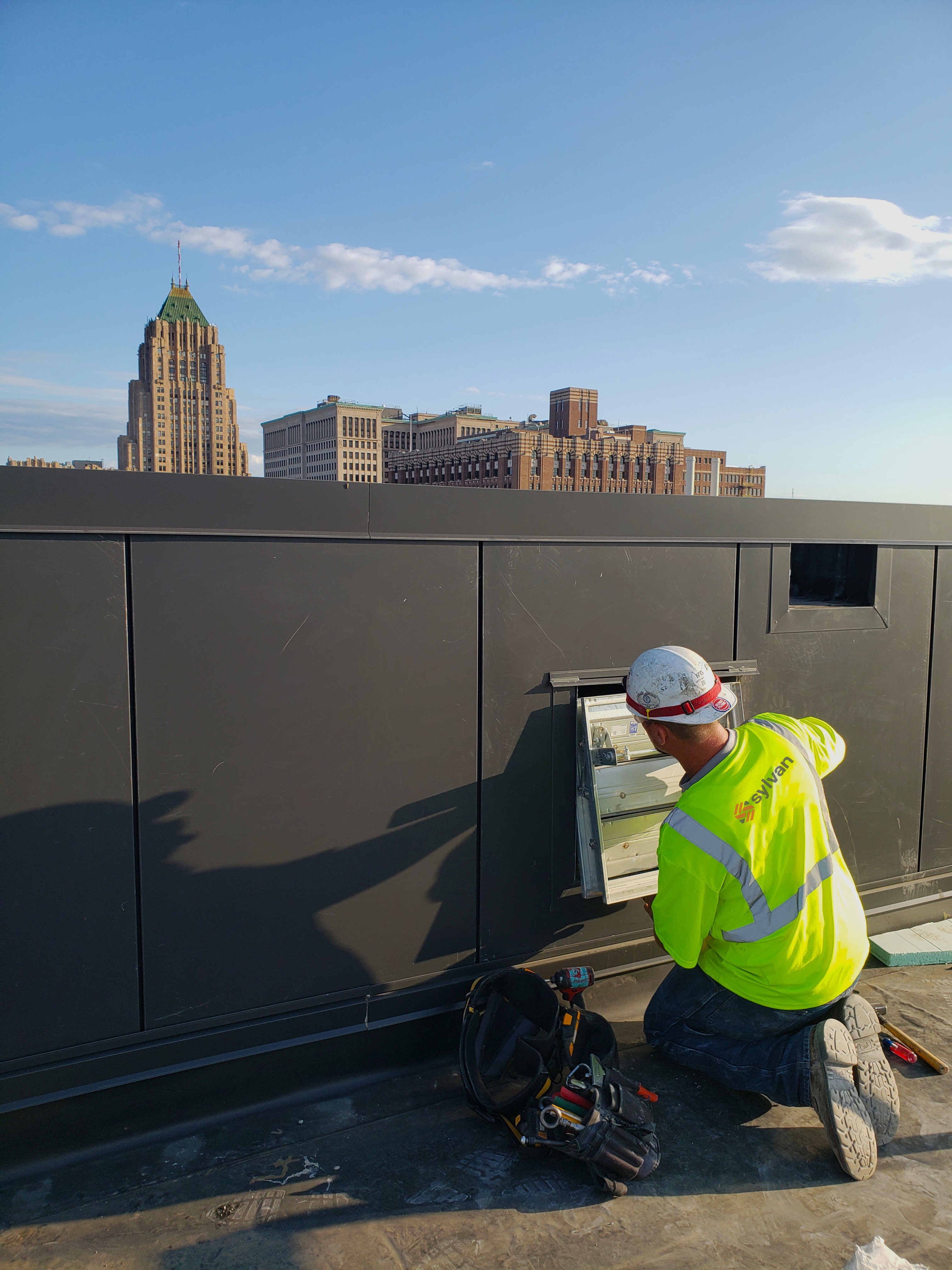
Stay Compliant with Regulations
All commercial buildings are subject to minimum, health, safety, and environmental standards at the national and local levels. Buildings serving specific industries – like food service, data centers, and healthcare – have strict regulations around air quality and temperature that must be met to avoid fines and even forced closure. Routine HVAC maintenance from trusted service providers like Sylvan helps to identify potential issues and track the various standards that pertain to your industry and facility.
HVAC Preventative Maintenance Checklist
This is pulled from the ServiceChannel blog.
Daily
| Check system status via your building automation system (BAS) or thermostat | To confirm that all commercial HVAC systems are operating normally |
| Verify that temperature setpoints are correct | To keep your commercial building comfortable and ensure energy efficiency |
| Look for unusual noises, smells, or visible leaks | To catch the first signs of major problems |
Weekly
| Inspect air filters for visible dirt or clogs | Dirty filters impede proper airflow and reduce energy efficiency |
| Clear debris from outdoor units | Leaves or other debris can clog outdoor units and reduce system performance |
| Verify that electrical connections are secure | Secure electrical connections prevent system failure |
Monthly
| Clean or replace air filters (every 2 weeks if your building is in a dusty environment) | Clean filters support airflow and air quality |
| Test thermostat calibration | Accurate thermostats prevent over- or under-cooling |
| Check refrigerant pressure (if system allows access) | Correct refrigerant levels keep the system cooling properly |
| Inspect belts and pulleys for wear | Worn belts can slip, crack, or snap, which stops the fan from running and causes the unit to shut down or overheat |
| Quarterly preventative maintenance by a licensed HVAC technician | Quarterly service allows for deeper system inspections, adjustments, and performance checks that go beyond routine monthly tasks. These visits help identify wear early, optimize system efficiency, reduce the risk of unexpected breakdowns, and ensure the HVAC system continues operating reliably through seasonal changes. |
Yearly
| Clean condenser and evaporator coils | Clean coils allow better heat transfer, which reduces strain on compressors |
| Calibrate controls and sensors | Accurate temperature and humidity readings prevent overcooling and short cycling |
| Inspect electrical parts | To identify loose wires, corroded terminals, or failing components before they cause outages |
| Lubricate motors and moving components | Reducing friction in motors, fans, and bearings helps prevent overheating and extends equipment life |
| Test gas furnace combustion (if applicable) | To check for leaks, verify combustion levels, and prevent carbon monoxide buildup |
Building a HVAC Preventative Maintenance Plan
Step 1: Inventory and Assessment
The first step in creating a preventative HVAC maintenance plan that works for your facility and team is to audit your existing assets. This includes an inventory of all HVAC equipment, along with pertinent manufacturing information, general condition, and servicing records for each component.
Step 2: Prioritization and Delegation
Once you have a handle on the overall state of your system, you can prioritize the components that need immediate attention versus ones that can be transitioned into the maintenance phase. If you haven’t yet enlisted a reliable service provider to help assess and manage this process, now is the time to reach out to Sylvan.
Step 3: Implementation of Checklist
Next, implementing the daily, weekly, monthly, and annual tasks from the HVAC preventative maintenance checklist lays the foundation for your comprehensive plan. Documenting inspections and service in accordance with manufacturer recommendations will help extend the longevity of your systems and keep warranties valid.
Step 4: Monitoring
Once you’ve begun actively maintaining your HVAC systems, you simply need to stick with the checklist schedule and adjust as needed. As seasons and business needs change, you now have the foundation to keep your HVAC performing effectively, regardless of what’s next.
If you’re looking for a partner to handle anything from assessment to full-system repairs, you can count on Sylvan to not just deliver, but go above and beyond what’s expected. Contact us today to create your customized HVAC preventative service plan.