
Key Takeaways:
- A safety program is only as strong as the culture behind it. Rules create a baseline. People, relationships, and leadership behavior determine everything above it.
- The best safety decisions on a jobsite are made before work begins. Bringing field staff into the planning process creates a shared commitment.
- Safety Week activities work best when they create conversation, not just awareness. Ask the field what they know and share lessons across the workforce.
- Reinforcement is key to effective safety training. The goal is to empower employees to make decisions that hold under pressure.
In construction, there’s no margin for complacency when it comes to safety. That’s what makes Construction Safety Week (May 4–8, 2026) such an important industry-wide checkpoint.
Recently, a Sylvan multi-trade project crossed one million manhours with zero recordable incidents. That kind of outcome doesn’t happen by accident. It’s the compounding result of preparation and accountability operating consistently across an entire team over an extended period. With multiple trades working in close proximity on compressed schedules with overlapping phases, workers still keep safety top of mind. They look out for one another and raise concerns before they escalate.
That project is a demonstration of just how much safety is built into our culture. For Sylvan, Construction Safety Week is less of a reset and more of a reinforcement of our day-to-day practices. Safety is deeply embedded into how we operate year-round. This week is an opportunity to make that commitment visible, and to remind every person on every jobsite why the work they do matters far beyond the project itself.
What Construction Safety Week Is, and Why It Still Matters
Construction Safety Week was established to give the entire industry a shared moment to acknowledge the human stakes of our work and share best practices to keep safety front and center. As Brian Bettridge, Sylvan’s Director of Health and Safety, puts it: “The week represents all the hard work people put into their jobs while maintaining the safety mindset. After all, that mindset is what allows them to be there to celebrate in the first place.”
The industry has made meaningful progress over the decades. Falling injury rates highlight the effectiveness of technologies that enhance visibility into hazards, along with the continued evolution of safety culture. Still, people are injured on job sites every day. That’s why this week still matters in 2026. The work isn’t finished yet.
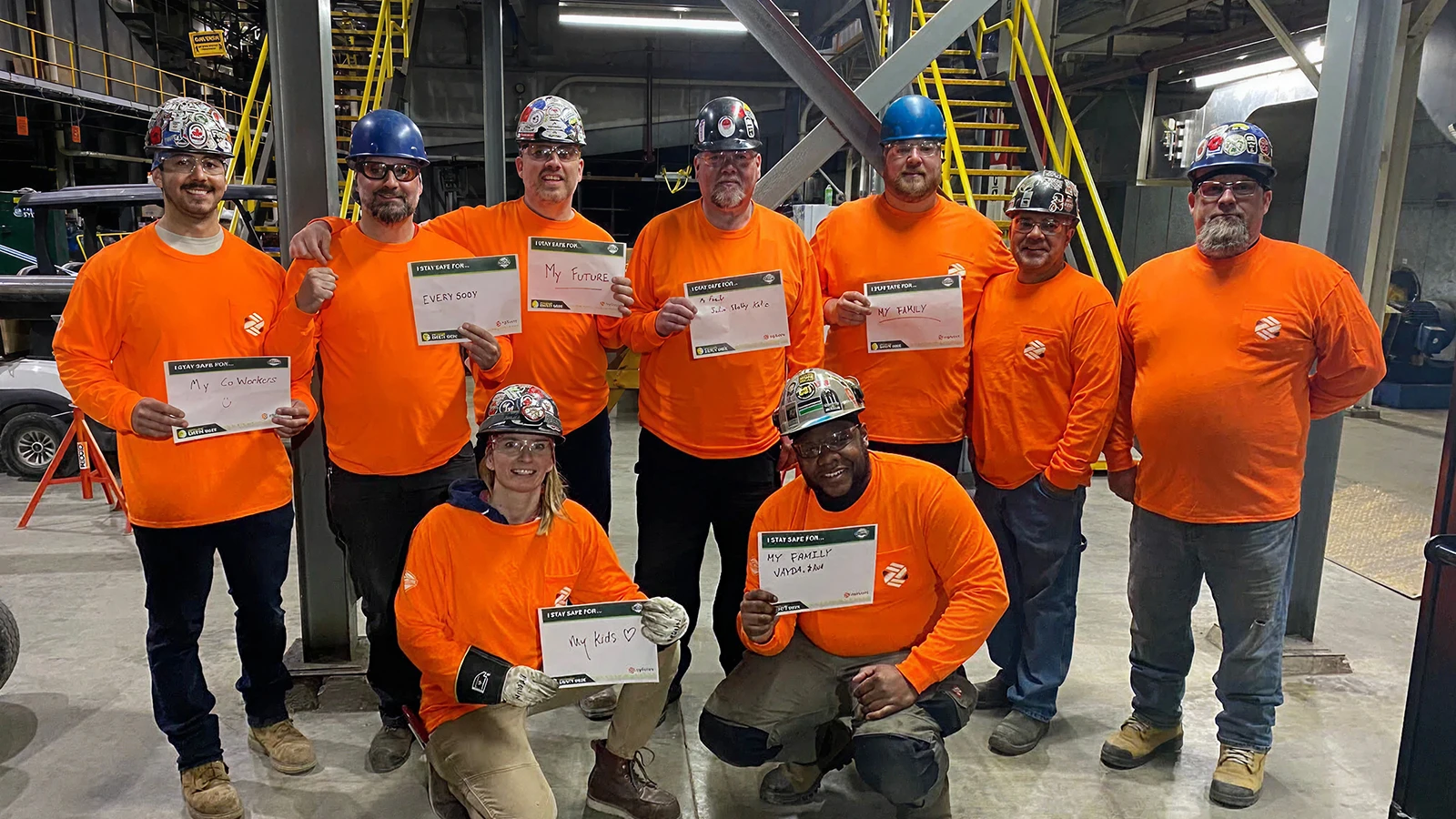
Billy Dotson, Regional Safety Manager for Michigan, says, “Under every hard hat is a person with people at home who care about them.” That human dimension is easy to lose sight of when the pace of a project picks up. Construction Safety Week exists to bring it back into focus.
Safety as a Mindset, Not a Checklist
One of the most common misconceptions about safety programs is that they are fundamentally about compliance. At Sylvan, following rules and completing forms are just the beginning.
From the CEO closing nearly every weekly company-wide safety call to a first-year apprentice stepping onto a jobsite for the first time, everyone at Sylvan is part of the safety program. That participation takes many forms, including training, daily toolbox talks, jobsite walks, stop-work authority, safety shares, peer recognition, and S.O.A.R. Card submissions. Anyone in the company can contribute, and everyone is held accountable for doing so.
“Procedures help guide the work, but people and culture are what truly keep jobsites safe,” says Kevin Fox, Regional Safety Manager for Canada. While rules and checklists create a floor, it’s culture that determines how high above that floor a team actually operates.
The safety team sets the standard, and field teams respond accordingly. Through consistent site visits, recognition for stop-work decisions, and a strong leadership presence, they make it clear that safety is a daily commitment.
Planning Is Where Prevention Happens
Most safety incidents actually begin well before workers enter the jobsite. They start in the planning phase.
When hazard identification happens at the planning stage rather than the execution stage, crews arrive prepared instead of reactive. They understand the risks and they’ve thought through the controls. They’re ready to adapt when conditions change because the foundation of the plan is solid, even when the details need to be adjusted.
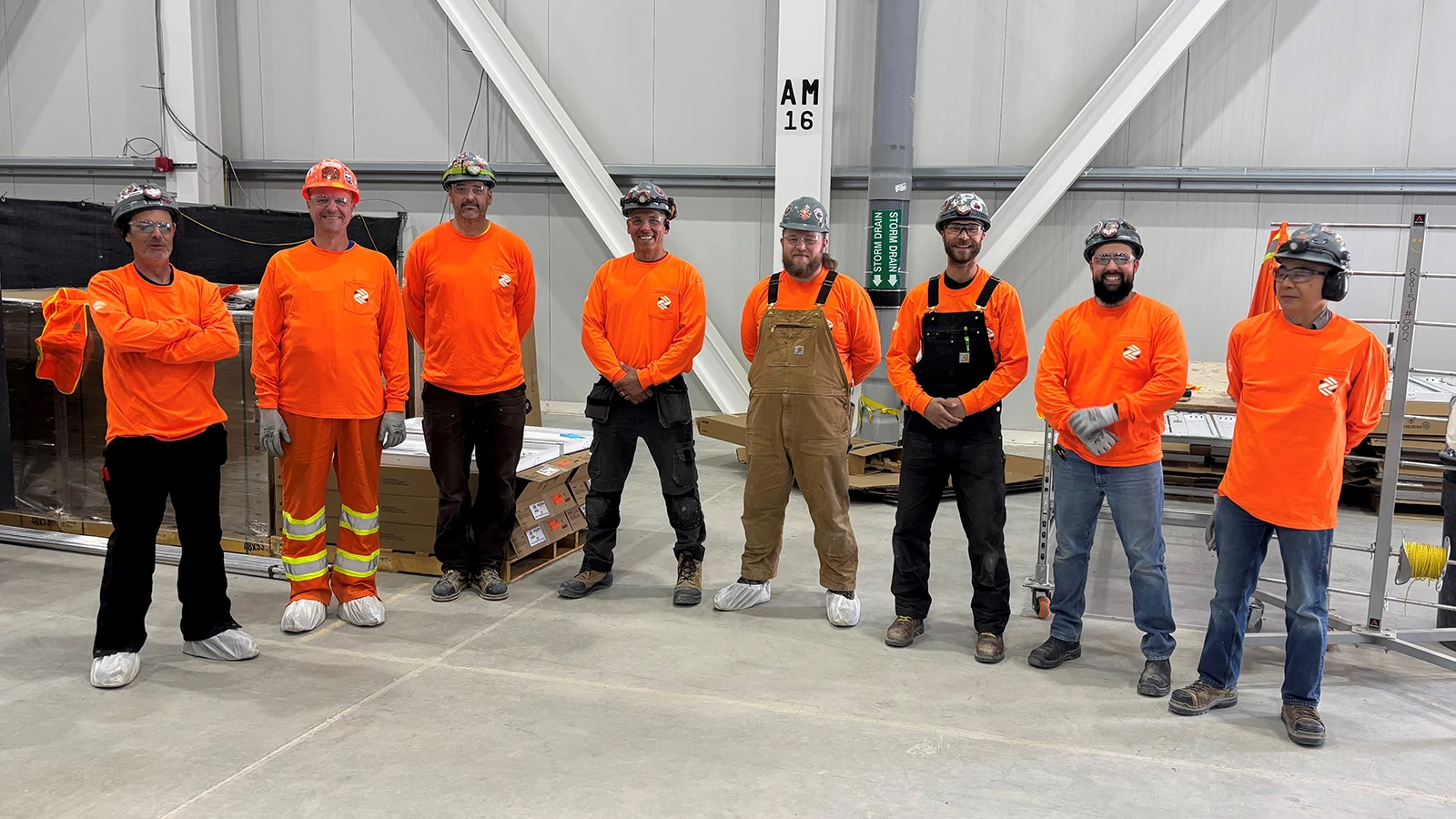
Rebecca Paskewich, Regional Safety Manager for Knoxville, describes planning as “prevention in action.” When pre-planning involves the crews who will actually perform the work, they take ownership of the outcomes. Instead of following a plan that was handed to them, they’re building the program that they’ll carry out each day.
That plan has to remain fluid. A rigid plan that can’t adapt to changing field conditions is more of a liability than an asset. The goal is a strong foundation combined with the flexibility to respond.
Training That Sticks
Reinforcement is what makes the difference between simply sharing information and building safe habits. Inevitably, some information is lost when employees don’t have to implement information right away. At Sylvan, we respond by integrating training so that we deliver messages consistently in different formats that are related to their day-to-day work.
Morning safety messages set the tone before work begins, and daily job hazard analyses connect safety thinking directly to the day’s tasks. The weekly company-wide safety call is attended by an average of 200 people, including subcontractors. They create a steady rhythm of safety conversation that persists week after week, regardless of what’s happening on any individual project.
The goal is to build our workforce’s judgement so that it holds up under pressure or when something unexpected happens.
What Safety Week Actually Looks Like in the Field
Sylvan marks Construction Safety Week with daily safety reminders, a themed weekly safety call focused on the week’s content, and swag and resources distributed across project sites. The goal is to make it feel different from a typical week in a way that reinforces rather than interrupts the rhythm of the work.
Some of the most effective approaches center on engagement over information delivery. For example, walking the site with crews and asking them directly what their biggest safety concern has been, and how they solved it, can be more effective than top-down informational sessions. Hazard hunts, where teams break into groups and identify risks on the jobsite, make the process hands-on and competitive in a productive way. Toolbox talks led by craftspeople sharing real experiences create the kind of peer-to-peer learning that tends to have the longest shelf life.
Recognition also carries significant weight. Publicly rewarding workers who consistently demonstrate strong safety behaviors reinforces just how much the organization values those practices. A management and safety team that is approachable and upbeat creates an environment where people want to truly engage, not just comply.
Safety as the Foundation of Trust
The connection between a strong safety culture and a reliable construction partner is direct. When clients see teams that are operating within a culture that takes safety seriously, they can feel confident that their projects are in capable hands. Safety performance and project performance go hand-in-hand. A team that values a disciplined approach to safety is more likely to be well-coordinated and accountable.
For the workers themselves, safety culture is a form of promise-keeping. When leadership backs the stop-work authority and shows up consistently on the weekly call, they show that their commitment to protecting people is real. That trust improves team communication and early problem-solving.
Construction Safety Week is a moment to call out our commitment to safety and focus on the work still ahead. For Sylvan, that work never really stops. The week just makes it visible.